
Mold is a silent menace that lurks in the dark, damp corners of our homes and offices. It’s not just an unsightly nuisance; it poses serious health risks as well. Exposure to mold can lead to respiratory problems, allergic reactions, and even neurological issues. The key to avoiding these potential hazards lies in early detection and intervention.
Detecting mold isn’t always easy because it often grows in hidden areas such as behind walls or underneath carpets. However, there are some telltale signs that can raise suspicion about its presence. A musty odor is one of the most common indicators of mold growth. If you notice an unusual smell especially in damp areas like basements or bathrooms, it might be due to mold.
Visible signs may include discoloration on walls, ceilings, or floors which could range from white to black with shades of green and blue in between. Peeling wallpaper or bubbling paint can also hint at moisture problems leading to potential mold growth.
Health symptoms shouldn’t be overlooked either. If someone in your household has been experiencing persistent allergic reactions such as sneezing, coughing, skin rashes or eye irritation without any apparent reason – it might be due to exposure to mold spores circulating in your indoor environment.
Once you’ve detected get the details possibility of mold growth through these signs, immediate action is crucial for preventing further damage and health risks. While small patches of surface mold can sometimes be tackled using over-the-counter cleaning products and proper protective gear (mask, gloves), larger infestations require professional help.
This brings us to another critical aspect—knowing when exactly should you call in the experts? Well firstly if the affected area exceeds 10 square feet (roughly 3ft by 3ft patch), DIY methods are unlikely to work effectively according to EPA guidelines (United States Environmental Protection Agency). Secondly if there’s significant water damage due perhaps a flood situation or leaking pipes – it’s best to consult professionals. They have the necessary equipment and expertise to handle mold remediation in such scenarios.
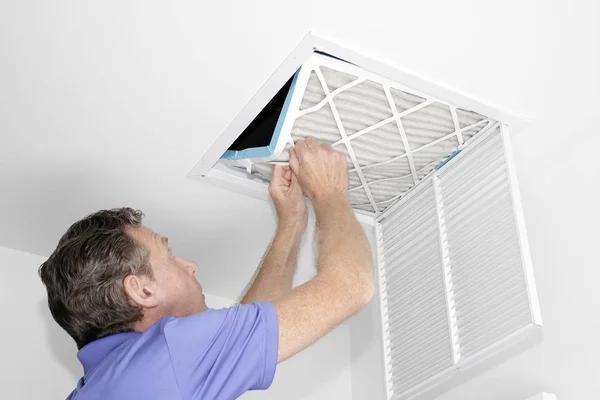
Also, if you suspect that mold is growing inside your HVAC system or behind walls, professional help should be sought immediately. Mold in these areas can quickly spread throughout your home or office, contaminating the air you breathe.
Lastly, if someone in your household has a weakened immune system due to conditions like asthma, allergies or other chronic illnesses – any level of mold exposure can potentially trigger severe reactions. In these cases too, it’s best to call in experts for thorough inspection and remediation.
In conclusion, early detection of mold through visible signs and health symptoms is crucial for preventing serious damage and health hazards. However knowing when to call in experts is equally important as DIY methods may not always be effective against this silent menace lurking within our homes and offices.