
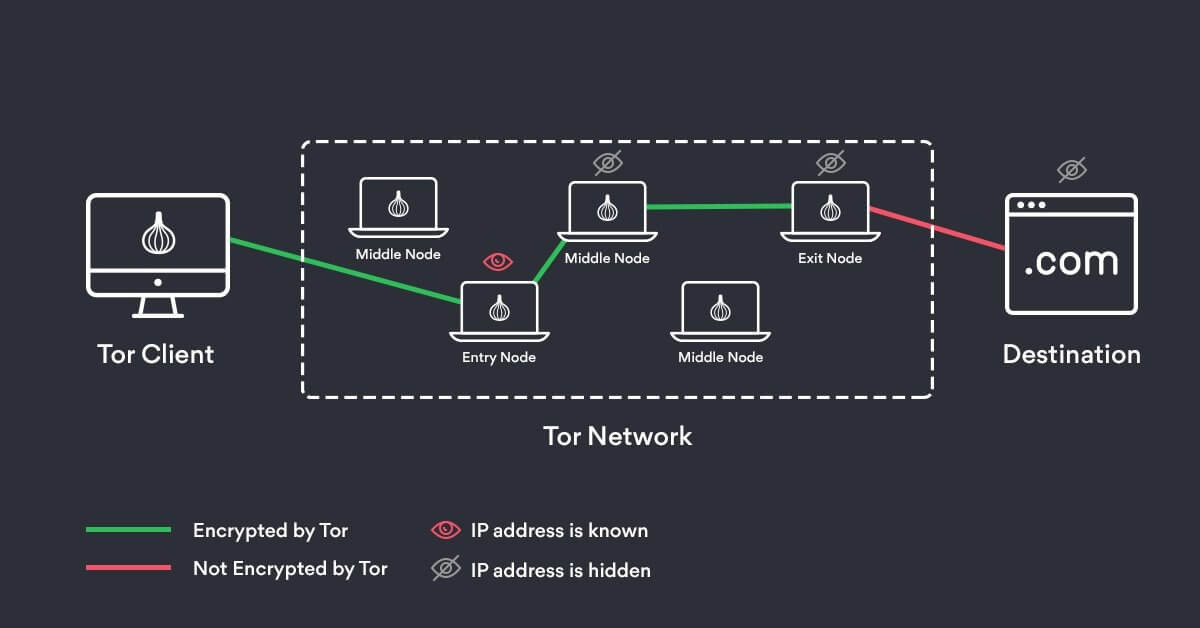
The Dark Net Army represents a growing and complex force within the evolving landscape of cyberspace. This loosely organized group consists of hackers, cybercriminals, and digital mercenaries who operate primarily through dark web platforms, leveraging anonymity to conduct illicit activities. Their actions range from data breaches and ransomware attacks to disinformation campaigns and infrastructure sabotage. As technology advances and more critical systems become interconnected, the influence of such actors is expected to expand, posing significant challenges for cybersecurity professionals, governments, and private enterprises alike.
One defining characteristic of the Dark Net Army is its decentralized nature. Unlike traditional military organizations or state-sponsored groups with clear hierarchies, this network thrives on collaboration among diverse individuals who often remain anonymous. They share tools, techniques, and intelligence across encrypted channels that are difficult to monitor or disrupt. This fluid structure enables rapid adaptation in response to defensive measures imposed by cybersecurity forces. The ability to mobilize quickly without centralized command makes countering their operations particularly challenging.
The future of cyberspace will likely be shaped by ongoing conflicts involving entities like the dark net army alongside legitimate stakeholders striving for security and stability online. As digital infrastructures underpin everything from financial systems to healthcare services and national defense mechanisms, vulnerabilities exploited by malicious actors could have far-reaching consequences beyond mere data theft or service disruption. Cyberattacks targeting critical infrastructure can lead to physical damage or threaten public safety on a large scale.
To address these threats effectively requires a multifaceted approach incorporating technological innovation, policy development, international cooperation, and public awareness initiatives. Enhanced encryption methods combined with artificial intelligence-driven threat detection can improve defenses against sophisticated incursions by groups operating in hidden corners of the internet. Legal frameworks must evolve globally to facilitate cross-border investigations while respecting privacy rights.
Moreover, fostering resilience in digital ecosystems involves educating users about safe practices as well as encouraging transparency from organizations handling sensitive information. Collaboration between governments and private sectors plays an essential role in sharing threat intelligence promptly so that emerging risks are mitigated before causing widespread harm.
In conclusion, the presence of Dark Net Army-like factions underscores the urgency for proactive engagement with cybersecurity challenges inherent in our increasingly digitized world. The future of cyberspace hinges on balancing openness with robust protection measures capable of deterring adversarial forces exploiting anonymity for disruptive purposes. Building secure networks demands continuous vigilance alongside adaptive strategies tailored toward evolving threats posed by covert operators inhabiting the darkest realms of the internet environment today and tomorrow.