HVAC installations play a crucial role in maintaining comfortable indoor environments, whether in residential or commercial settings. Designing these systems for long-lasting performance requires careful planning, quality materials, and skilled workmanship. An HVAC system that is properly installed not only ensures efficient operation but also reduces the need for frequent repairs and replacements. Longevity begins with selecting the right equipment suited to the specific needs of the building and its occupants. This involves evaluating factors such as square footage, insulation quality, climate conditions, and usage patterns to determine the appropriate capacity and type of system.
A well-designed HVAC installation incorporates durable components that can withstand daily wear and environmental stressors over time. High-quality compressors, coils, filters, ductwork, and thermostats contribute significantly to overall reliability. Additionally, modern technology offers advanced features like variable speed motors and smart controls that optimize energy consumption while minimizing strain on system parts. Proper sizing is equally important; an oversized or undersized unit can lead to inefficiencies that shorten its lifespan by causing excessive cycling or inadequate temperature regulation.
The installation process itself must adhere strictly to manufacturer guidelines and industry best practices. Skilled technicians ensure precise placement of equipment for optimal airflow distribution and accessibility for maintenance tasks. Attention click now to sealing duct joints prevents air leaks that could compromise performance while increasing energy costs. Insulating ducts helps maintain temperature consistency throughout the space being conditioned. Electrical connections require proper grounding along with secure wiring methods to avoid hazards or interruptions in service.
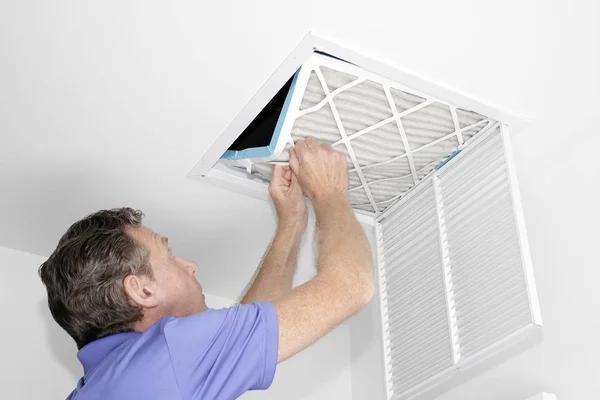
Regular maintenance complements initial design efforts by preserving system integrity over time. Routine inspections identify potential issues before they escalate into costly breakdowns; cleaning filters maintains air quality while reducing strain on mechanical parts; lubricating moving components minimizes friction-related damage; checking refrigerant levels ensures cooling efficiency remains stable throughout operational cycles.
Investing in an HVAC installation designed with longevity in mind results in significant benefits including lower lifetime operating expenses due to reduced energy use and fewer repairs alongside enhanced comfort levels year-round regardless of external weather fluctuations. Furthermore, sustainable choices such as environmentally friendly refrigerants align with growing demands for greener building solutions without sacrificing durability or effectiveness.
Ultimately, achieving long-lasting performance from an HVAC system depends on a combination of thoughtful design decisions paired with expert installation techniques supported by ongoing care routines tailored specifically toward extending equipment life spans while meeting occupant comfort expectations consistently over many years ahead.