Preparing your home for water heater installation involves several important steps to ensure the process goes smoothly and safely. Before the installer arrives, clear the area around your existing water heater or the designated installation spot. This provides easy access for professionals and reduces potential hazards. Removing any stored items or clutter allows them to work efficiently without obstruction. It is also wise to measure the space where the new unit will be placed, confirming it meets the size requirements of your chosen water heater model.
Next, turn off the power supply connected to your current water heater if you have an electric unit. This precaution prevents electrical accidents during removal and installation. For gas heaters, shut off the gas valve supplying fuel to avoid leaks or fire risks. Additionally, close the cold-water supply valve feeding into your existing system to stop water flow when disconnecting pipes.
Draining your old water heater before removal is essential to prevent spills that can damage flooring or walls. Attach a garden hose to the drain valve plumber near me its base and direct it toward a floor drain or outside area suitable for draining hot water safely. Open a hot water tap elsewhere in your home after starting drainage; this helps air enter the system, allowing complete emptying of tank contents.
Inspect plumbing connections ahead of time so you can inform installers about any necessary repairs or upgrades needed before fitting a new appliance. Corroded pipes may require replacement while outdated fittings might not match modern standards used by newer units.
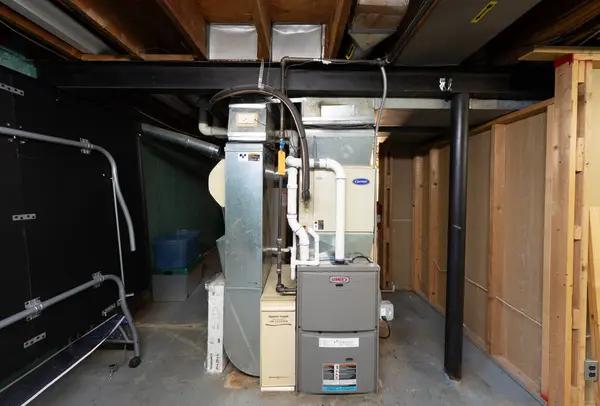
Ensure proper ventilation if installing a gas-powered model inside an enclosed space like a basement or utility room because adequate airflow prevents dangerous buildup of combustion gases such as carbon monoxide.
Consult local building codes regarding permits required for installing new equipment since many municipalities mandate inspections ensuring compliance with safety regulations.
Finally, prepare yourself with questions about maintenance schedules and warranty coverage from professionals performing installation services so you understand how best to care for your investment over time.
By following these guidelines carefully prior to arrival day, homeowners facilitate efficient installation processes while minimizing risks related to electrical shocks, flooding incidents, or non-compliance issues often encountered during improper setups of heating systems within residential properties nationwide today.
Service Squad
680 E Colorado Blvd, Suite 180, Pasadena, CA 91101
626-333-6519