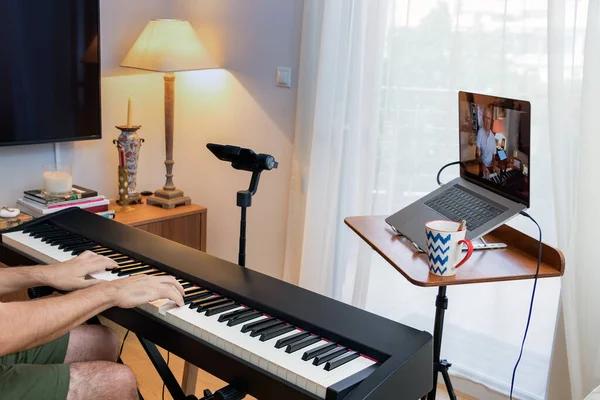
Choosing between piano lessons at home and studio lessons is a decision many aspiring pianists and their families face. Both options offer unique benefits and challenges, making it essential to understand the real differences before committing. Piano lessons at home provide convenience and comfort that can significantly enhance the learning experience. Students do not have to travel, which saves time and reduces stress, especially for younger children or busy adults. Being in a familiar environment often helps students feel more relaxed, allowing them to focus better on practicing and absorbing new concepts. Additionally, home lessons offer flexibility in scheduling since there is no need to coordinate with external locations or commute times.
However, this convenience sometimes comes with limitations. learn the key points learning environment depends heavily on the resources available at home, such as having a well-maintained piano or keyboard suitable for instruction. Distractions from household activities can occasionally interrupt concentration during lessons. Furthermore, some teachers may find it challenging to bring all necessary materials or equipment when traveling to different homes.
On the other hand, studio lessons typically occur in dedicated music schools or instructors’ studios equipped specifically for teaching piano. These spaces are designed to minimize distractions while providing access to high-quality instruments and teaching aids like metronomes, sound systems, or sheet music libraries. The professional setting also encourages discipline; students often take their practice more seriously when attending an external location focused solely on music education.
Studio environments foster social interaction among students as well. Group classes or waiting areas allow learners to meet peers who share similar interests in music development. This community aspect can motivate consistent attendance and practice routines through friendly competition or collaboration.
Despite these advantages, studio lessons require commitment beyond lesson time due to travel demands that might be inconvenient for some families depending on distance and transportation options available. Scheduling might also be less flexible compared with home-based sessions because studios operate within fixed hours catering to multiple students.
Ultimately, deciding between piano-lessons-at-home versus studio settings depends on individual preferences related to lifestyle, learning style, budget considerations, and goals for musical growth. While home instruction offers personalized convenience tailored around personal schedules without extra commuting hassles; studio lessons provide structured environments rich in resources alongside opportunities for peer engagement that nurture motivation over time.
Both formats aim toward developing skillful pianists but differ mainly in setting dynamics influencing how students absorb knowledge effectively over weeks of study progressions moving forward toward mastery of this timeless instrument’s art form.