
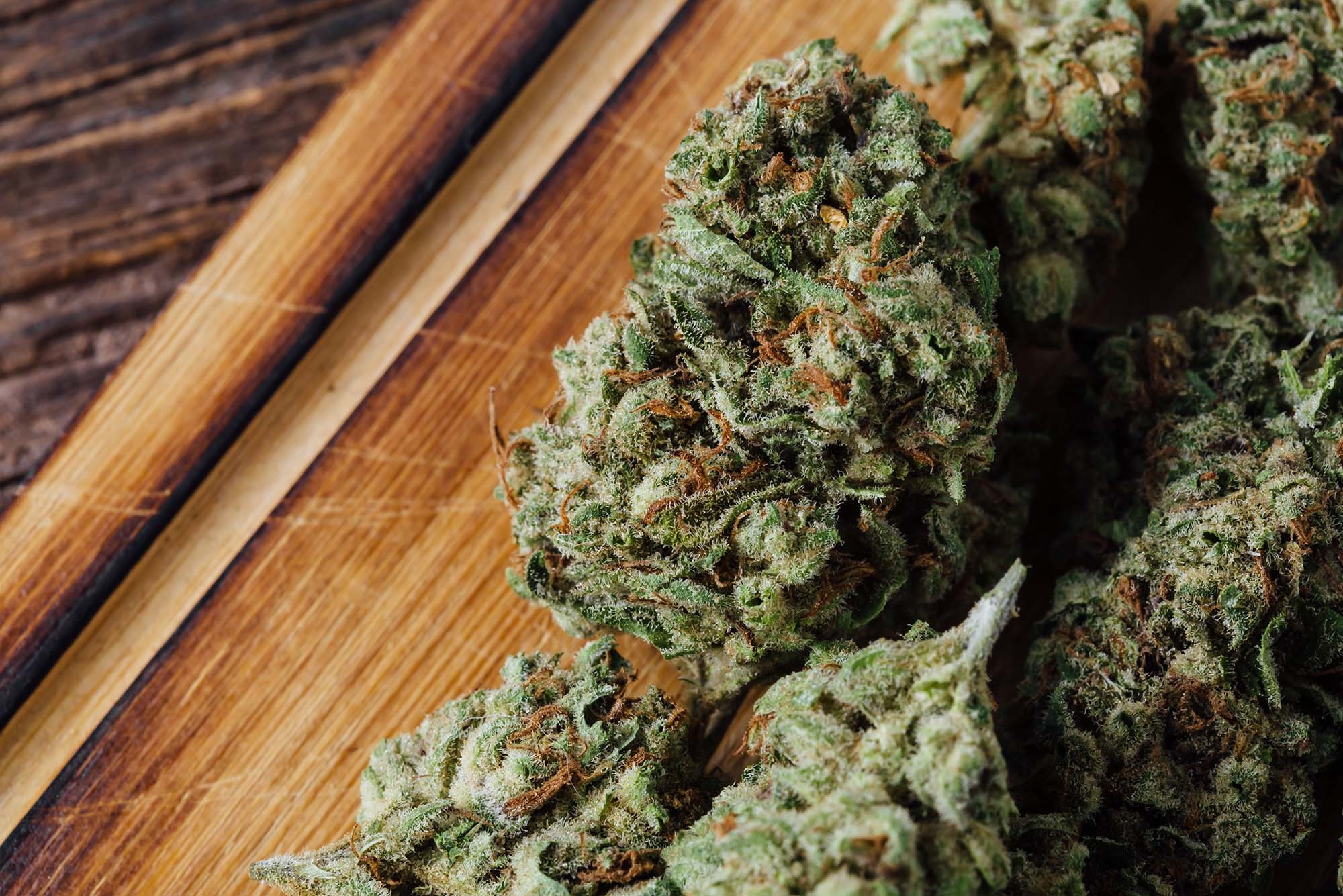
Cannabis, a versatile plant with a rich history, offers an array of strains that cater to diverse preferences and needs. As the legalization wave sweeps across various regions, understanding the different types of weed becomes essential for both novice users and seasoned enthusiasts. Whether you’re seeking relaxation, creativity, or pain relief, there’s likely a cannabis strain suited to your desires.
The primary classification of cannabis is into three categories: Indica, Sativa, and Hybrid. Each type presents unique characteristics and effects due to its distinct genetic makeup.
Indica strains are renowned for their calming properties. Originating from the Hindu Kush mountains in India, these plants are typically short and bushy with broad leaves. Indicas are often associated with full-body effects that promote deep relaxation and stress relief. They’re ideal for evening use or before bedtime as they can induce sleepiness. Popular indica strains include Northern Lights and Granddaddy Purple.
In contrast, Sativa strains tend to offer uplifting cerebral effects that enhance creativity and energy levels. Native to equatorial regions like Central America and Southeast Asia, sativas grow taller with narrow leaves. These strains are perfect for daytime use when you need a boost in focus or mood elevation without feeling sluggish. Classic sativa varieties include Weed Sour Diesel and Jack Herer.
Hybrid strains bridge the gap between indicas and sativas by combining traits from both parent plants. Breeders create hybrids to balance specific desired effects; thus hybrids can be either indica-dominant or sativa-dominant depending on their lineage. This versatility allows users to enjoy customized experiences tailored precisely according to their preferences—whether it’s achieving euphoria while remaining relaxed (as seen in Blue Dream) or stimulating creativity alongside mild sedation (like Girl Scout Cookies).
Beyond these basic classifications lies another layer based on cannabinoid content—the chemical compounds responsible for producing marijuana’s therapeutic benefits—and terpenes which contribute significantly towards aroma profiles found within each strain variety available today! Cannabinoids such as THC (tetrahydrocannabinol) provide psychoactive sensations whereas CBD (cannabidiol), known more so nowadays thanks largely due recent scientific research findings highlighting potential health advantages minus intoxication factor altogether thereby making them increasingly popular among medical patients alike who seek alternative treatments minus traditional pharmaceuticals’ side-effects risks involved therein too!
Terpene profiles further differentiate one strain from another by influencing flavor notes ranging anywhere between sweet/fruity flavors reminiscent tropical fruits berries citrus peels earthy spicy undertones pine woods sandalwood incense-like muskiness even diesel fuel-like pungency sometimes encountered certain selections out there market-wise presently speaking course!