
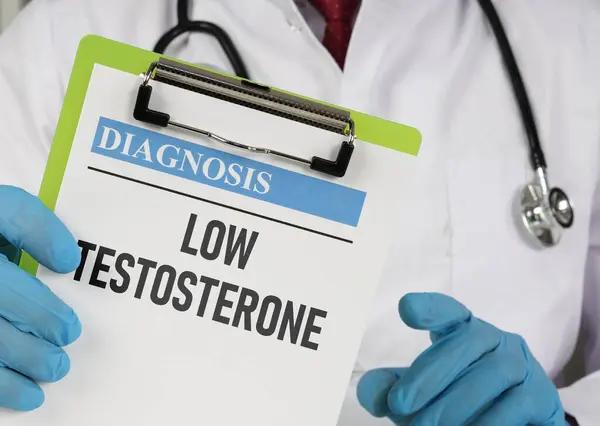
Testosterone is a vital hormone primarily associated with male health, influencing muscle mass, bone density, mood, and sexual function. As men age or due to certain medical conditions, testosterone levels can decline significantly, leading to symptoms such as fatigue, decreased libido, reduced muscle strength, and mood disturbances. Low testosterone levels may also affect cognitive functions and overall quality of life. In response to these challenges, testosterone treatment has emerged as a therapeutic option aimed at restoring hormonal balance and alleviating related symptoms.
Testosterone replacement therapy (TRT) involves administering synthetic testosterone through various methods including injections, gels, patches, or pellets implanted under the skin. The goal of Limitless TRT & Aesthetics testosterone therapy clinic levels back within the normal range while minimizing side effects. Before starting treatment, healthcare providers typically conduct thorough evaluations that include blood tests to confirm low testosterone levels alongside assessments of symptoms and overall health status. It is essential to distinguish between naturally low levels due to aging and pathological causes that might require different approaches.
The benefits of testosterone treatment can be significant for individuals with clinically confirmed low hormone levels. Many patients report improvements in energy levels, sexual desire and performance, mood stability, concentration abilities, and increased muscle mass over time. These positive changes often contribute to enhanced well-being and daily functioning. However, results vary depending on individual factors such as age at treatment initiation, baseline health conditions like cardiovascular disease or diabetes risk factors.
Despite its advantages in appropriate cases, TRT carries potential risks that warrant careful consideration by both patients and clinicians. Common side effects may include acne flare-ups or fluid retention; more serious concerns involve an increased risk of blood clots or worsening sleep apnea in susceptible individuals. There has been ongoing debate regarding whether long-term use affects prostate health or cardiovascular events; thus regular monitoring through follow-up appointments remains critical during therapy.
It is important for anyone considering testosterone treatment to engage in open dialogue with their healthcare provider about realistic expectations along with possible alternatives such as lifestyle modifications including exercise programs designed to boost endogenous hormone production naturally where feasible. Additionally adherence to prescribed regimens ensures safe management while minimizing complications linked with unsupervised supplementation often seen outside clinical settings.
In conclusion,testosterone treatment offers meaningful relief for those suffering from clinically diagnosed low hormone states when used judiciously under professional supervision.The decision should always be individualized based on comprehensive evaluation balancing benefits against potential risks.