Food warmers are essential equipment in various foodservice settings, from restaurants to catering events, ensuring that prepared dishes remain at the optimal temperature until served. Understanding the key display features of food warmers can help users select the right model for their needs and maximize efficiency in maintaining food quality. One important aspect is the temperature control display. Many modern food warmers come with digital temperature displays that allow precise monitoring and adjustment of heat levels. This feature ensures that food stays within safe serving temperatures without becoming overcooked or dried out.
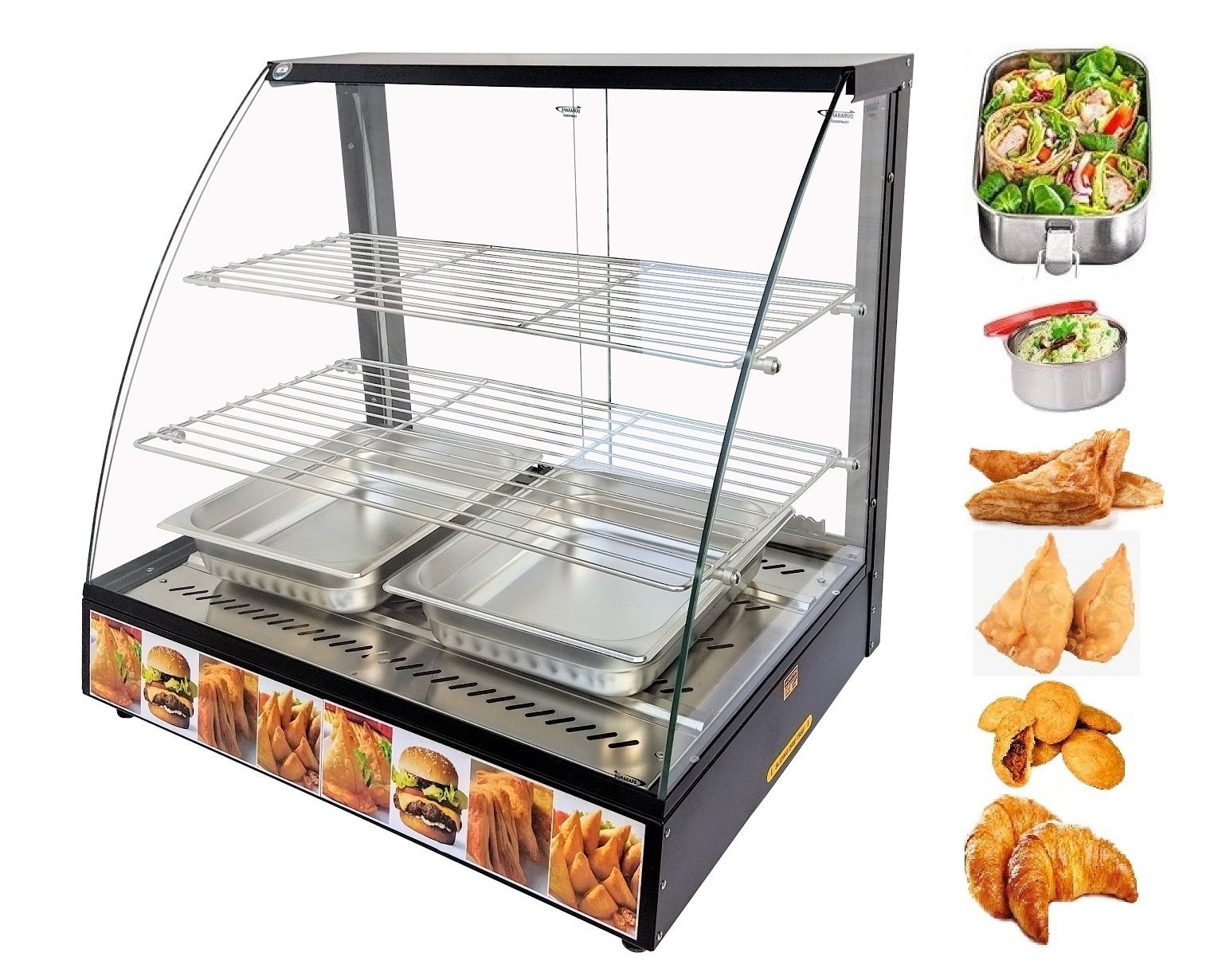
Another notable feature is the visibility of contents through transparent display panels or glass doors. These allow both staff and customers to see the available items without opening the warmer, which helps maintain consistent internal temperatures by reducing heat loss from frequent door openings. Some units also include interior lighting, enhancing product visibility while adding an appealing presentation element in retail or buffet environments.
The control interface itself varies among models but often includes touchscreens or simple buttons paired with LED indicators for easy operation. A clear and intuitive interface reduces training time for employees and minimizes errors when adjusting settings such as temperature, humidity, or timer functions. Speaking of humidity controls, some advanced food warmers incorporate adjustable moisture levels to prevent foods from drying out during extended holding periods. Displays on these devices may show current humidity percentages alongside temperature readings.
Energy efficiency indicators have become increasingly common as well; they provide feedback on power consumption and operational status to promote environmentally friendly practices and reduce utility costs. Safety features are usually integrated into the display system too; warnings about overheating, low water levels (in steam-based warmers), or malfunction alerts appear prominently on screens to prompt timely maintenance actions.
Certain models offer customizable presets stored in memory for different types of foods or recipes, accessible via their digital displays. This streamlines operations by allowing quick switching between ideal warming conditions tailored specifically for meats, pastries, soups, or other menu items.
In summary, understanding a Food Warmer Display features-from accurate temperature readouts and content visibility to user-friendly controls and safety alerts-is vital when choosing equipment suited for particular applications. These elements not only improve operational convenience but also contribute significantly to maintaining high standards of food quality and safety throughout service hours. Selecting a unit equipped with comprehensive yet straightforward display functions ensures better management of hot-holding processes across diverse culinary environments.