Have you ever looked at your garden and wondered how you could make it more unique? Many homeowners find themselves in this position, desiring a fresh take on their outdoor spaces without necessarily having to expand or overhaul their entire garden. An intriguing solution is the concept of the upside down garden. This innovative approach allows you to rethink your planting strategy and maximize space. For those interested in diving deeper into this concept, a comprehensive guide can be found via: https://bossofmyfeelings.com/2026/08/12/upside-down-garden-innovate-your-outdoor-space/.
Understanding the Upside Down Garden
The upside down garden flips traditional gardening on its head, quite literally. This method involves hanging plants so that they grow downwards, allowing for a unique visual effect and efficient use of space. It’s particularly useful for small areas where ground space is limited. The design not only stands out but also offers practical benefits like improved air circulation around the plants and easier access for maintenance. By utilizing this technique, gardeners can create a unique garden collage that captures attention and sparks conversation.
The Role of a Garden Compass
When planning an upside down garden, a garden compass can be an invaluable tool. The compass helps determine the best orientation for your garden to ensure that your plants receive optimal sunlight. This is crucial because the orientation of the plants can significantly affect their growth and health. Knowing which direction your garden faces can help you plan where to place different types of plants, ensuring that they thrive in their new, inverted positions.
Incorporating Gypsum in Your Garden Design
Gypsum is another element that can enhance your garden’s design, particularly in upside down gardens. This mineral helps improve soil structure and drainage, which is essential for plants growing in non-traditional orientations. When used correctly, gypsum can aid in preventing soil compaction and improve root growth by increasing the soil’s porosity. This can be especially beneficial in a webster garden setup, where maximizing root health is key to successful plant growth.
Creating a Visual Masterpiece with a Garden Collage
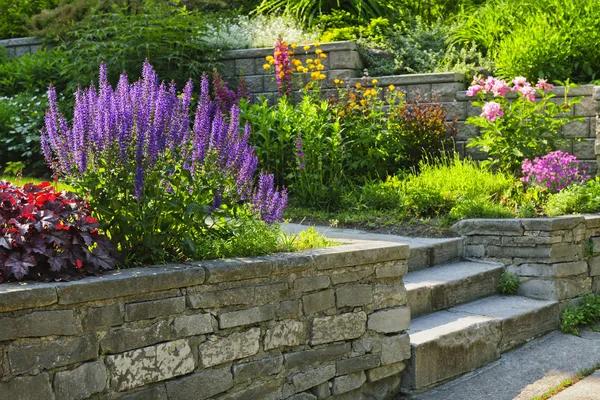
An upside down garden can also serve as a canvas for a garden collage. By carefully selecting a variety of plants with different colors, textures, and growth habits, gardeners can create a visually stunning display. This approach allows for creativity and personalization, turning a simple garden into a work of art. The key is to balance the aesthetic aspects with the practical needs of the plants to ensure they are both beautiful and healthy.
In conclusion, transforming your garden into an upside down oasis offers both aesthetic and practical benefits. By incorporating tools like a garden compass and materials like gypsum, you can optimize your garden’s health and appearance. Whether you’re working with a small urban space or a larger traditional garden, these innovative strategies can help you make the most of your outdoor area. Embracing these concepts can lead to a garden that’s not only functional but also a reflection of your unique style.