
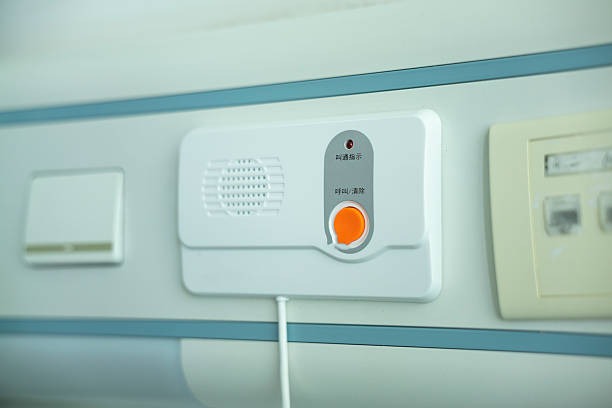
Nurse call technology has become an essential component in modern clinical environments, significantly improving communication between patients and healthcare staff. This technology facilitates timely responses to patient needs, enhances workflow efficiency, and ultimately contributes to better patient outcomes. The integration of nurse call systems within hospitals, nursing homes, and other clinical settings has evolved from simple alarm devices to sophisticated, networked solutions that offer a range of functionalities tailored to diverse healthcare demands.
Traditional nurse call systems primarily consisted of basic alert buttons that patients could press to notify nursing staff. However, contemporary nurse call technology incorporates advanced features such as real-time location tracking, mobile notifications, and integration with electronic health records (EHR). These enhancements enable clinical teams to prioritize responses based on urgency and patient condition, reducing response times and minimizing unnecessary interruptions.
One of the key advantages of nurse call technology in clinical environments is its ability to streamline communication pathways. Healthcare providers can receive alerts on multiple devices, including smartphones, tablets, and central monitoring stations, allowing for immediate acknowledgment and coordination. This multi-channel communication reduces the risk of missed calls and ensures that patient requests are handled promptly. Additionally, the technology supports two-way voice communication, enabling nurses to assess situations remotely before physically attending to patients, which is particularly valuable in managing infection control and reducing unnecessary room entries.
Furthermore, nurse call systems can be customized to fit the unique workflow of different clinical areas. For instance, specialized modules can be designed for operating rooms, intensive care units, or psychiatric wards, each with tailored alert priorities and escalation protocols. Integration with other hospital systems such as nurse scheduling, bed management, and patient monitoring devices enhances operational efficiency and supports data-driven decision-making.
Another important aspect of nurse call technology is its role in ensuring patient safety and regulatory compliance. Accurate documentation of response times and staff interactions helps healthcare facilities meet quality standards and accreditation requirements. This data can also be analyzed to identify patterns, optimize staffing levels, and improve overall service quality.
As technology advances, nurse call systems are increasingly incorporating artificial intelligence (AI) and Internet of Things (IoT) capabilities, enabling predictive analytics and automated alerts. These innovations promise to further transform clinical environments by anticipating patient needs and preventing adverse events before they occur.
In conclusion, nurse call technology is a vital tool in clinical environments that enhances communication, improves patient safety, and supports efficient healthcare delivery. By adopting modern nurse call solutions, healthcare providers can ensure responsive and high-quality care tailored to the dynamic needs of clinical settings.