Practical landscaping installation solutions for residential properties focus on enhancing the outdoor space’s functionality, aesthetic appeal, and sustainability. When approaching a landscaping project, it is essential to consider the specific conditions of the property, including soil type, climate, and existing vegetation. This understanding helps in choosing the right plants, materials, and design elements that will thrive in the local environment and require minimal maintenance. Selecting native or drought-resistant plants can significantly reduce water usage and upkeep efforts, making the landscape more sustainable and cost-effective over time.
One practical solution involves creating well-defined garden beds and borders that provide structure and visual interest. Using edging materials such as stone, brick, or metal can prevent grass and weeds from encroaching, preserving the clean lines of the design. Proper soil preparation within these beds is crucial to support healthy plant growth. This step often includes soil testing, amending soil with organic matter, and ensuring adequate drainage to avoid waterlogging. Installing mulch helps retain moisture, suppress weeds, and regulates soil temperature, further benefiting plant health.
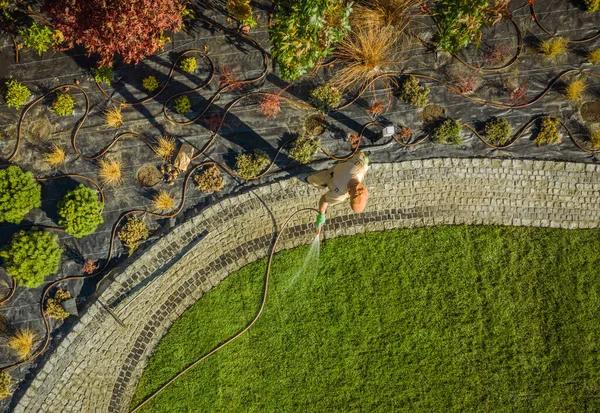
Irrigation systems are another vital component of effective landscaping installation. Automated drip irrigation or soaker hoses deliver water directly to plant roots, minimizing waste and promoting efficient water use. These systems can be tailored to the specific needs of different plant zones, ensuring that each area receives appropriate hydration. Properly designed irrigation also reduces the risk of fungal diseases by keeping foliage dry.
Incorporating hardscaping elements such as patios, walkways, and retaining walls enhances both function and appearance. These features provide comfortable outdoor kitchen builders Charlotte NC living spaces and improve property accessibility. Selecting durable, weather-resistant materials like natural stone or concrete ensures longevity and reduces maintenance requirements. Thoughtful placement of these elements can also help with erosion control and traffic flow throughout the yard.
Lighting is an often-overlooked aspect of residential landscaping that can improve safety and extend usability during evening hours. Installing low-voltage or solar-powered lights along pathways and near seating areas creates a welcoming atmosphere while highlighting key landscape features. Additionally, integrating rainwater harvesting systems or permeable paving can address drainage concerns and promote environmental responsibility.
By carefully planning and implementing these practical solutions, homeowners can create attractive, functional, and low-maintenance outdoor spaces that enhance their property’s value and enjoyment. Prioritizing sustainable materials and water-efficient practices ensures the landscape remains healthy and beautiful for years to come.